
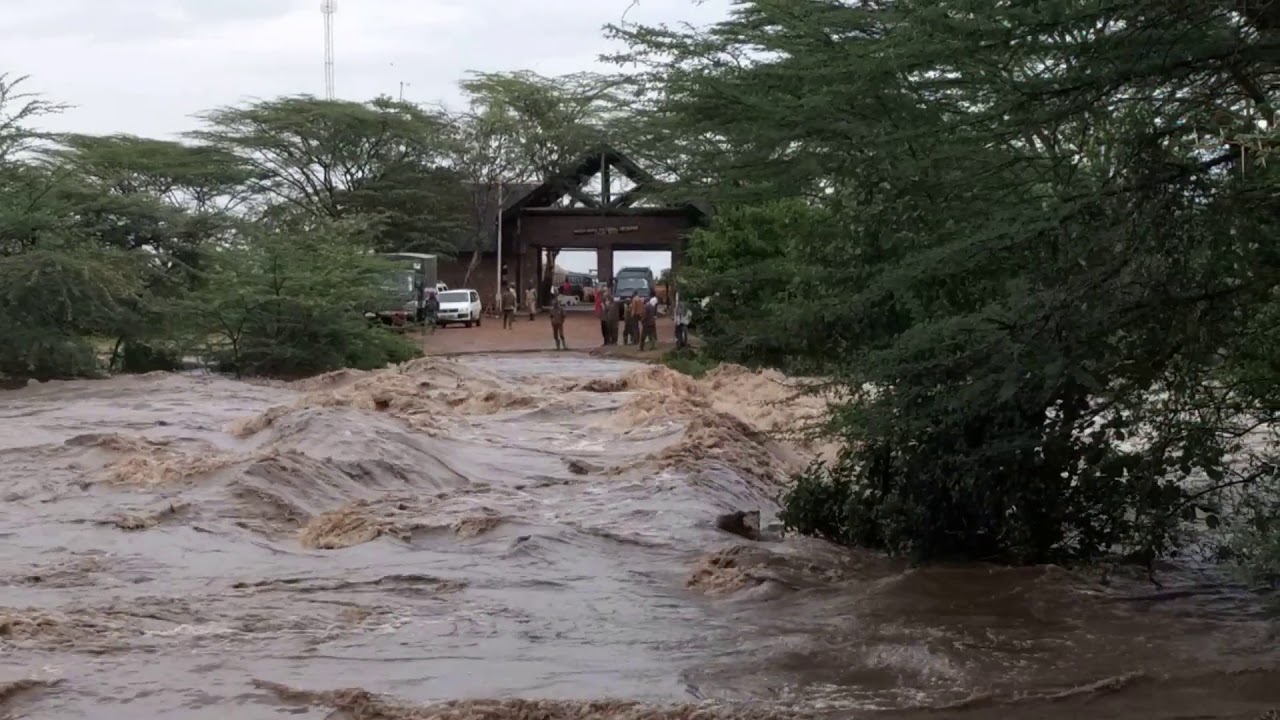
Due to higher than normal rainfall in parts of Kenya late April into first week of May, sometime on 02nd May 2024, Talek River, one of the rivers in Masai Mara, broke it's banks near the Talek area, close to Talek Gate (pictured above). As a result, several Tented Camps and Lodges in this area and located close to the river, experienced flooding. Due to rooms, common areas and other parts of the facilities being submerged under water ( varying from several inches to a couple of feet), the camps had to be closed. Guests/ Tourists were immediately evacuated either to other lodges or camps in the reserve or back to Nairobi.
As soon as the flooding began, Park authorities as well as the Kenya Red Cross went into action and rescued and evacuated tourists and relocated them to safer areas within the reserve. The Narok County Government also deployed two helicopters to carry out air evacuations in the affected areas of the wildlife conservation area. At the time of this update, all tourists staying at the affected camps or lodges are safe and accounted for and have been evacuated.
AFFECTED CAMPS & LODGES :Some of the affected hotels include Fig Tree Camp, Saruni Basecamp, Saruni Basecamp Adventure, JW Marriott Lodge, Mara Explorer Camp, Mara Sweet Acacia, Crocodile Camp, Pride Inn-Azure Lodge and other properties located close to the river in the Talek area. Notably, the majority of lodges and camps located in Masai Mara remain unaffected and are fully operational. These include Keekorok Lodge, Mara Serena Lodge, Mara Sopa Lodge, Governors Camps, Mara Intrepids Camp, Sarova Mara Camp and Mara West Camp.
ACCESS: ROAD, BRIDGES & AIRSTRIPS: The main road from Nairobi to Sekenani Gate is motorable and functional. Access roads from this gate to most of the eastern side of the reserve are in motorable condition. Note that the Bridge connecting the Mara Triangle to Greater Mara [ eastern side of the reserve] is current CLOSED so if travelers wish to drive to lodges and camps in the western area of the reserve, including but not limited to Mara Serena Lodge, they are advised to use an alternative route and avoid using the Sekenani Gate. ( the alternatiuve route is via the Narok-Bomet road, turn off towards Rianta township). Roads within the Mara Triangle area are in motorable condition.
FLIGHTS & AIRSTRIPS: As of 12pm on 05th May 2024 most airstrips in Masai Mara are operational including those close to Talek area such as Ol Kiombo, Keekorok, Serena and Musiara Airstrips are also operational. Some airstrips are being assessed for damage and may require some repairs namely Ol Seki and Siana airstrips. Airlines, namely Air Kenya, Safarilink and Governors Aviation are currently flying as scheduled daily to and from Masai Mara uninterrupted.
OUTLOOK: As per current updates from the field, the rainfall in most parts of the reserve has subsided and areas which were flooded are gradually witnessing a reduction of water levels. The outlook for the coming week is a return to normalcy. Camps and lodges seriously affected by the flooding are expected to be closed for at least 3 - 4 weeks in most cases.
Location: Masai Mara Game Reserve is located away from towns and cities, along Kenya’s western border with Tanzania. This area is basically in the widlerness hence naturally peaceful and with a low human population. There is also an international border that separates Kenya’s Masai Mara from Tanzania’s Serengeti, and though the border is not physically marked, it is well secured and this increases the safety and security within the reserve as a consequence of there being an international border here. It is also worth noting that Kenya is generally a safe country to visit and travel advisories usually mention exercising caution in parts of urban cities such as Nairobi or Mombasa.
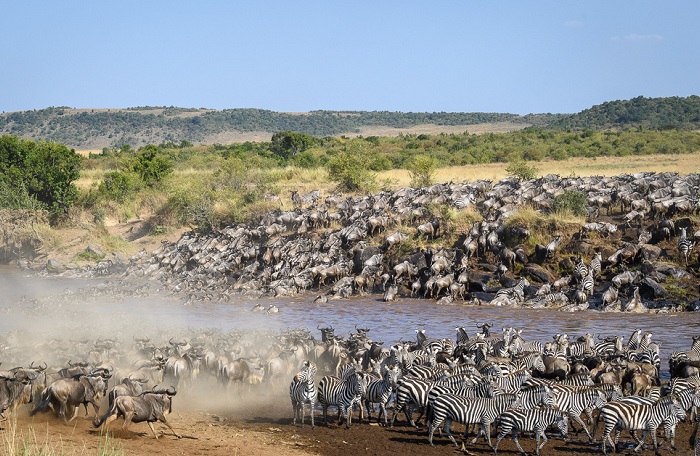
National Importance: With Tourism being one of the leading sources of revenue in the country, the Kenyan Government, as a priority, has put in measures to ensure the personal safety of tourists visiting key national parks and reserves. Masai Mara is a premier reserve in Kenya, attracting a huge number of tourists from al across the world, and making it a big income earner for the country. It therefore receives keen attention in terms of security from the Government of Kenya.
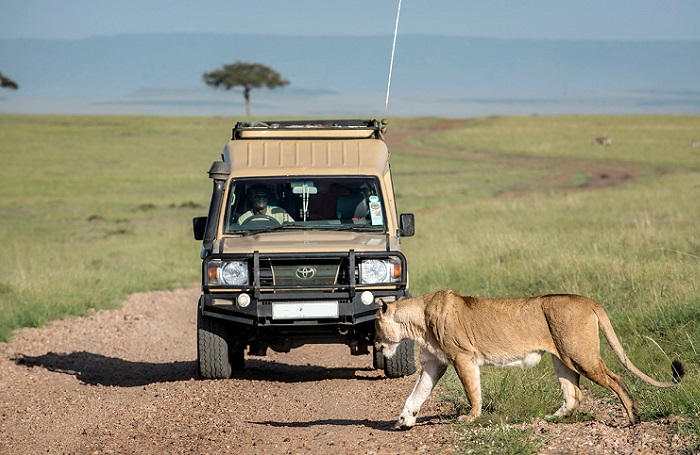
Management of the Reserve: Masai Mara Game Reserve is managed professionally by a combination of local County administrations which in turn have deployed highly trained park and wildlife rangers, some of whom may be armed. Teams of these personnel patrol the reserve on a constant basis. To further ensure your safety, virtually all the hotels, camps and lodges in the reserve have their own guards around the clock monitoring movements of wild animals in and around their properties as well as ensuring the safety of their tourists / guests. As wild animals can be dangerous, there are a set of park rules which visitors are asked to adhere to for their own safety, one of these being to stay in your vehicles at all times, unless at designated picnic or walking areas. Driving in the dark is also not allowed in the reserve and all the visitors must exit the reserve or return to their camps or lodges by dusk, usually 6.30pm. Night game drives are also not allowed inside the main reserve.
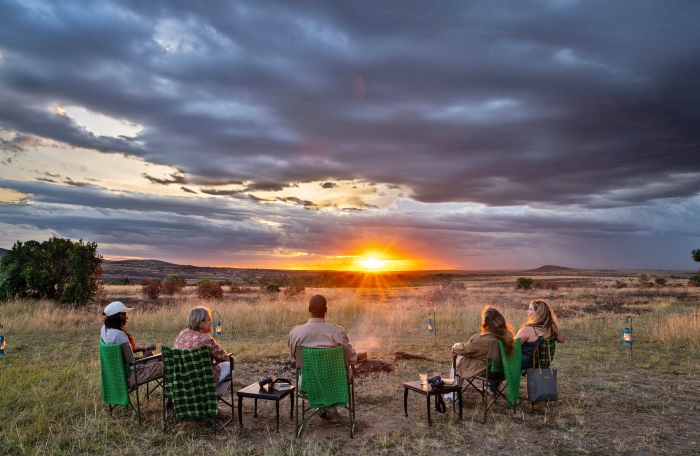
Every year, literally thousands of tourists visit and stay overnight in Masai Mara National Reserve every year and it is rare to come across any safety or security related incidents. These statistics indicate how safe the park is for visitors.
 A privacy reminder from Masai Mara Travel. Our website may use cookies for a more relevant browsing experience.